Protein powder has become one of the most popular supplements for people looking to improve health, build muscle, recover faster, and support weight management. With so many brands and formulas available, many shoppers ask the same question: what is the best protein powder for their needs?
The truth is that the right option depends on your goals, diet preferences, budget, and taste expectations. Some people want lean muscle growth, while others need meal support during busy days. Additionally, many consumers want clean ingredients, low sugar, and easy digestion.
In this complete guide, we explain how to choose the best, the different types available, and what features matter most when buying one.
What Is Protein Powder?
Made from dairy, eggs, or plants. It is commonly used in shakes, smoothies, oats, pancakes, and recipes to increase daily protein intake.
Protein is essential because it helps:
- Build and repair muscles
- Support recovery after workouts
- Keep you full longer
- Maintain healthy bones
- Support metabolism
- Provide convenient nutrition
For people who struggle to eat enough protein through food alone, supplements can be a helpful solution.
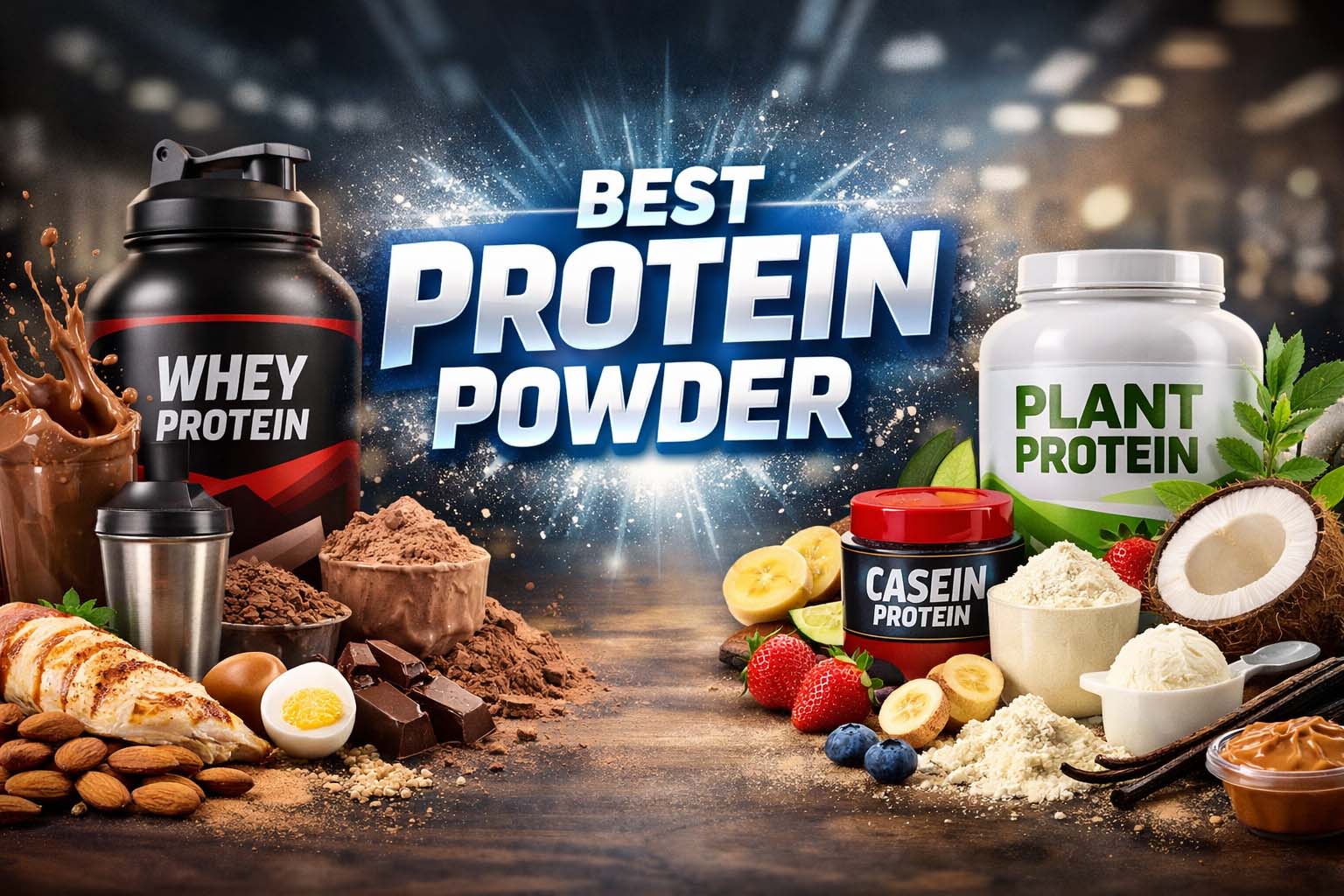
Types of Protein Powder
Choosing the best protein starts with understanding the main categories.
Whey Protein
Whey comes from milk and is one of the fastest-digesting proteins. It is rich in amino acids and ideal after workouts.
Casein Protein
Also from milk, casein digests slowly. Therefore, many people use it before bed for steady protein release.
Plant-Based Protein
Made from pea, rice, soy, hemp, or blended plants. It is a great option for vegans or those avoiding dairy.
Egg Protein
Made from egg whites and offers high-quality amino acids.
Collagen Protein
Popular for skin, joints, and connective tissue, though it is not always complete protein for muscle goals.
Best Protein Powder for Weight Loss
If your goal is body composition or calorie control, the best protein powder for weight loss is usually one that is high in, low in sugar, and moderate in calories.
Look for products with:
- 20–30 grams protein per serving
- Low added sugar
- Minimal fillers
- Good satiety support
- Easy mixing with water
Protein helps reduce hunger and preserve muscle during calorie deficits. As a result, a shake can also replace higher-calorie snacks when used wisely.
However, protein powder alone does not cause weight loss. Results depend on total diet, exercise, and lifestyle habits.
Choosing for Women’s Goals
Many brands market products specifically to women, but protein needs are based more on goals than gender. The best protein powder for women is one that matches lifestyle, nutrition needs, and taste preferences.
Women may choose:
- Whey isolate for lean protein and low lactose
- Plant protein for dairy-free nutrition
- Collagen blends for beauty-focused routines
- Meal-support formulas with fiber
Women who train regularly, lift weights, or want more daily protein often benefit just as much from standard high-quality protein products as men do. Those planning a strength routine may also want to explore the benefits of deadlifts.
Ultimately, the most important factors are ingredients, digestibility, and consistency of use.
Flavor and Texture
Taste matters because consistency matters. If a supplement tastes bad, people often stop using it. The best tasting protein powder usually has smooth texture, balanced sweetness, and flavors that mix well.
Popular flavors include:
- Chocolate
- Vanilla
- Cookies and cream
- Strawberry
- Coffee mocha
- Peanut butter
For best taste, mix protein powder with milk, almond milk, oats, banana, or yogurt instead of plain water.
Additionally, reading reviews can help identify products praised for flavor and texture.
Evaluating Whey Options
Whey remains a favorite for athletes and gym-goers. The best whey often includes strong amino acid content, fast absorption, and reliable manufacturing quality.
Look for:
- Whey isolate or blend
- Third-party tested products
- 20+ grams protein per scoop
- Low sugar
- Good mixability
- Trusted brand reputation
Whey isolate is usually lower in lactose and carbs than whey concentrate, making it a popular premium choice.
How to Choose the Best Protein Powder
With many options available, use these factors to decide:
1. Protein Amount
Aim for around 20–30 grams per serving depending on your needs.
2. Ingredients
Choose simple formulas without excessive additives.
3. Sugar Content
Lower sugar is often better, especially for daily use.
4. Digestibility
If whey upsets your stomach, try isolate or plant protein.
5. Goal Alignment
Muscle gain, weight management, convenience, or recovery all influence the best choice.
6. Budget
Some premium products cost more without major extra benefit.
Best Time to Take Protein Powder
You can use protein powder whenever it helps meet daily intake.
Common times include:
- After workouts
- Breakfast smoothies
- Between meals
- Before bed (casein)
- Busy afternoons as snack support
For most people, total daily protein intake matters more than exact timing. Those organizing their training schedule can also learn about the best time to workout.
Meal Replacement Considerations
Protein powder should usually supplement meals rather than replace whole foods regularly. Real foods provide fiber, vitamins, minerals, and variety.
A shake can help in busy moments, but a balanced diet should still include:
- Eggs
- Chicken
- Fish
- Beans
- Greek yogurt
- Tofu
- Nuts
- Dairy
- Whole grains
- Vegetables
Therefore, use protein powder as a tool, not a complete diet.
Common Mistakes to Avoid
Many people make these errors:
- Buying based only on marketing
- Ignoring serving size
- Expecting instant results
- Taking too much protein unnecessarily
- Choosing poor taste and quitting
- Skipping whole foods entirely
Overall, smart selection and consistency bring better outcomes. People comparing different resistance-training tools can also explore the benefits of a weighted vest.
Safety and Medical Considerations
For most healthy adults, protein powder is generally safe when used as directed. Choose reputable brands with quality testing. However, if you have kidney disease, allergies, digestive issues, or medical concerns, consult a healthcare professional first.
Final Thoughts
The best protein depends on your personal goals, diet style, and preferences. Some people need fast-digesting whey for workouts, while others want plant protein for digestion or ethical reasons. Those focused on body composition may prefer the others prioritize flavor and seek the best tasting powder.